SAVE THE DATE – 5th International Heritage Stone Workshop
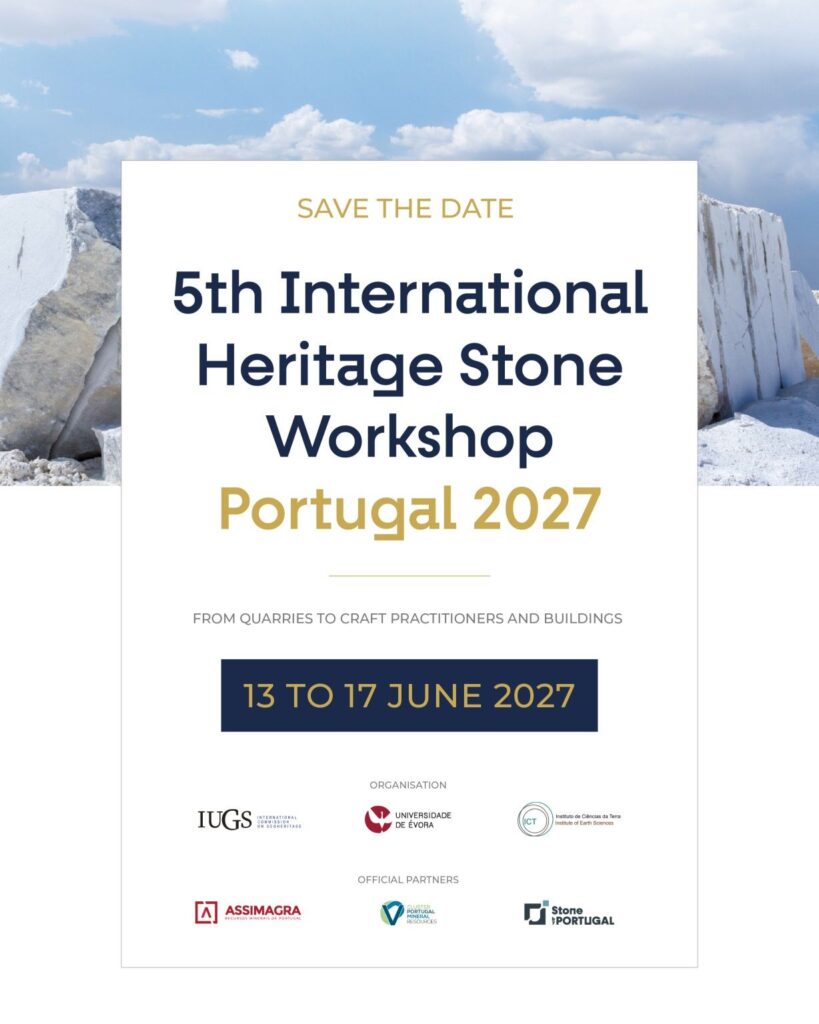
Portugal will host the 5th International Heritage Stone Workshop, taking place from 13 to 17 June 2027 and bringing together experts, researchers and professionals from the natural stone and built heritage sectors. The International Heritage Stone Workshop provides a valuable platform for sharing knowledge and experience on natural stones of historical, cultural, scientific and architectural significance, fostering dialogue between geology, the natural stone industry, heritage conservation and architecture. The 5th Editions of the workshop is organised by the International Union of Geological Sciences (IUGS), the University of Évora and the Institute of Earth Sciences (ICT), with ASSIMAGRA – Portuguese Mineral Resources Association, the Cluster Portugal Mineral Resources (ACPMR) and Stone by Portugal as official partners. Save the date! Further information will be announced in due course.
Fravizel presents the Technological Advances of WP1 – Upstream 4.0 through a Live Streaming Event under the Sustainable Stone by Portugal Agenda
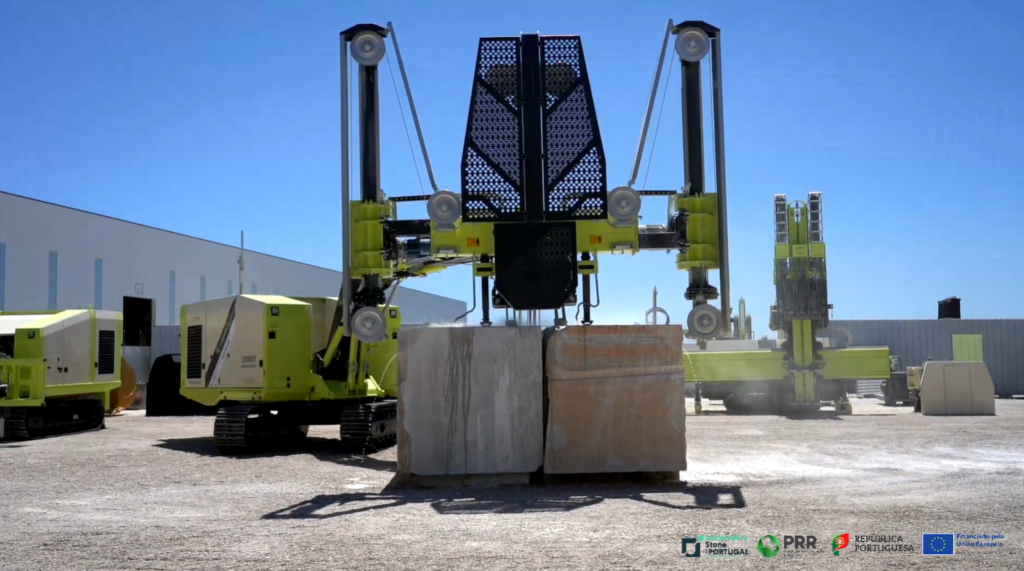
FRAVIZEL held a public live streaming event to present the latest results achieved within Work Package 1 – Upstream 4.0, as part of the SUSTAINABLE STONE BY PORTUGAL AGENDA. During the presentation, participants were introduced to the progress achieved across six strategic technological development areas, all aimed at enhancing the competitiveness of the natural stone sector through automation, robotics, digitalization of production processes, and waste valorization: • Additive manufacturing using stone industry waste materials• New electric chain saw for stone cutting• Autonomous robot for finished product transportation• Reprocessing of non-commercial stone blocks• New horizontal cutting concept using diamond wires• Intelligent block cleavage system• Technology for a more sustainable industry The results presented demonstrate a strong commitment to digitalization, industrial automation, energy efficiency, and waste valorization, contributing to a more sustainable, competitive, and future-ready natural stone industry capable of meeting the demands of international markets. One of the highlights of the event was the presentation of Fravizel’s patented technological solutions, specifically designed to address the current challenges faced by the natural stone extraction and processing industry. These innovations represent a significant leap forward in operational efficiency, enabling the reduction of operating costs, lower energy consumption, and increased productivity of both equipment and work teams. At the same time, they incorporate electrification, automation, and intelligent process management concepts that directly contribute to the decarbonization of industrial activities and the reduction of the environmental footprint of operations. It was also emphasized that many of these solutions substantially reduce execution times in quarry operations. Shorter preparation, positioning, cutting, handling, and processing times result in increased production capacity and a more efficient use of available resources. Beyond the economic and environmental benefits, the newly developed technologies significantly improve operator safety by reducing exposure to high-risk tasks, minimizing manual intervention, and promoting safer, more controlled, and technologically advanced working environments. Another key aspect highlighted during the presentation was the strong focus on sustainable water management. The solutions developed by Fravizel integrate intelligent water control systems capable of automatically interrupting water consumption whenever it is not required by the process. This feature, incorporated across the different equipment and prototypes presented, contributes significantly to reducing water waste while promoting a more efficient use of natural resources and lowering operational costs. The results presented further strengthen Fravizel’s position as one of the leading innovation-driven companies in the mineral resources and natural stone sector, while reinforcing the commitment assumed by the Sustainable Stone by Portugal Agenda: sustainability. Through the reduction of energy consumption, water savings, lower carbon emissions, waste valorization, and improved operational safety and productivity, these technologies are helping to shape a more sustainable future for the industry. With a portfolio of more than 130 patents registered and under development, Fravizel continues to play a pivotal role in driving technological innovation within the sector, making a significant contribution to the modernization of the natural stone industry and the development of a more efficient, competitive, and environmentally responsible industrial model. Closing the session, Eliseu Frazão- CEO da Fravizel emphasized that the achievements presented represent only another step in a journey that must be continuous. He stressed that innovation should not be viewed as a one-time objective, but rather as a permanent practice within organizations. According to him, the future of the industry depends on developing increasingly efficient, sustainable, and competitive solutions capable of addressing the economic, environmental, and social challenges facing the sector. “Innovation must be a continuous task so that we can find the balance between doing more with less,” stated Eliseu Frazão, reinforcing the need to continue investing in technology, knowledge, and development to increase productivity, reduce resource consumption, and create more sustainable operations. This vision lies at the heart of the Sustainable Stone by Portugal Agenda and will continue to guide the efforts of the sector towards a more innovative, efficient, and future-ready natural stone industry.
RISE I3 PROJECT PROMOTES SUSTAINABLE COOPERATION AND INNOVATION BETWEEN EUROPEAN REGIONS

The main objective of the RISE I3 project was to promote sustainable cooperation and accelerate the adoption of innovations in less developed European regions, including Bulgaria, Slovenia and Portugal, as well as Spain, Finland and Sweden. Among the main results achieved, the following stand out: The next stage of the project will focus on strengthening the RISE ecosystem, consolidating the partnerships already established and promoting new collaborations across different fields. RISE I3 thus continues to be an example of how European cooperation can generate added value and drive innovation in an inclusive and sustainable way. See the press release here.
MINEX Europe 2025 to take place in Portugal, 21 to 23 October
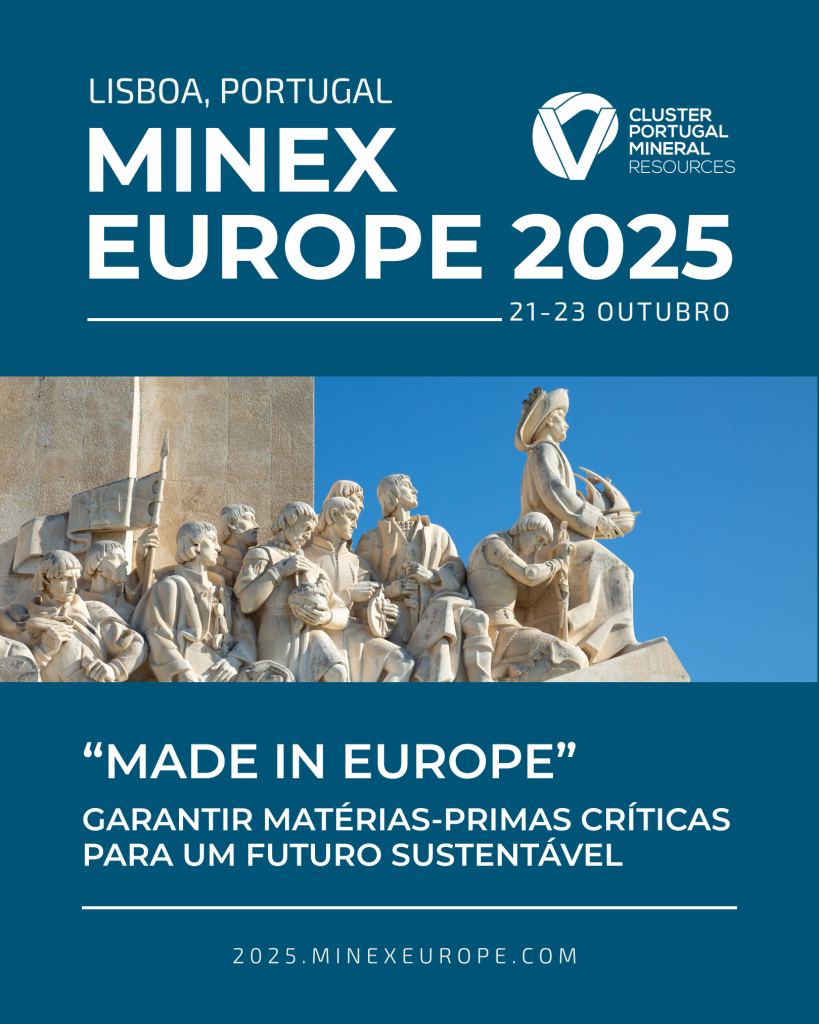
MINEX Europe 2025 will be held from 21 to 23 October in Oeiras and will feature the participation of the Cluster Portugal Mineral Resources, which is hosting a dedicated session on sustainable mining in Portugal. Taking place on 21 October, the session will bring together public authorities, companies and experts to discuss the country’s role in securing the supply of critical raw materials. Europe’s growing autonomy: MINEX Europe 2025 in Oeiras The European Union remains highly dependent on third countries for access to critical raw materials (CRMs), which are essential to key strategic sectors such as renewable energy, electric mobility and digitalisation. In response, the EU has been reinforcing its commitment to a more autonomous and resilient economy through initiatives like the Critical Raw Materials Act (CRMA) and support for strategic projects across Europe. It is in this context that MINEX Europe 2025 takes place, from 21 to 23 October, at the Lagoas Park Hotel in Lisbon. Organised by Advantix Ltd., the event brings together mining professionals, policymakers and businesses to explore sustainable, technological and collaborative solutions to ensure Europe’s supply of critical raw materials. Since its inception in 2015, MINEX has travelled across several European countries, with past editions held in Poland, Austria and the Czech Republic. 21 October session: The Cluster leads the transition to sustainable mining in Portugal On the opening day of the event, Cluster Portugal Mineral Resources will host the session entitled “From Exploration to Extraction – The New Era of Sustainable Mining in Portugal”, from 11:00 to 13:00. This session places Portugal at the heart of the European discussion on strategic autonomy in raw materials. The objective is to showcase the evolution of Portugal’s mining sector in light of the CRMA and to highlight projects and initiatives that support sustainability, innovation and better use of national resources. Moderated by Luís Martins, Chairman of the Board of Cluster Portugal Mineral Resources, the session will feature contributions from: The session will conclude with a roundtable discussion featuring representatives from companies such as Somincor/Boliden, Redcorp, Almonti, Mineralia, Savannah Resources, Lusorecursos and Mota Ceramics Solutions, addressing the potential of copper, tungsten, lithium and feldspar in Portugal. This session, hosted by the Cluster, is a unique opportunity to deepen knowledge of Portugal’s mineral resources sector, exchange expertise and foster strategic collaboration at a pivotal moment for Europe’s industrial future. 📍 When: 21 October 2025, 11:00–13:00📍 Where: Lagoas Park Hotel, Porto Salvo – Lisbon🔗 More information: 2025.minexeurope.com Check the agenda below.
UNIVERSITY OF ÉVORA PROMOTES CONNECTION BETWEEN RESEARCH AND THE NATURAL STONE INDUSTRY
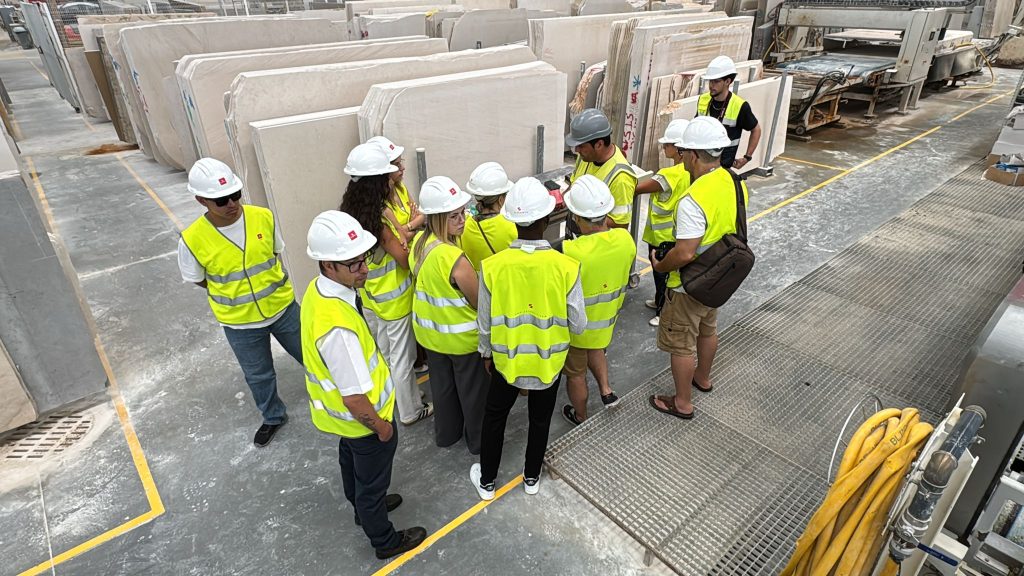
Between June 30th and July 1st, the University of Évora promoted the “Workshop in Progress” initiative for master’s and doctoral students in the field of mineral resources, as part of the Sustainable Stone by Portugal Agenda, funded by PRR – Recover Portugal. With technical visits to the companies SOLANCIS, JULIPEDRA, LSI STONE and FRAVIZEL, members of the Agenda consortium, as well as a visit to the Vale de Meios Dinosaur Footprints, the purpose of this initiative was to promote the industry, give visibility to what has been developed, closely monitor processes in the sector in terms of sustainability, innovation and digitalization, and bring academia closer to the natural stone industry. As well as opening the doors of the industry to the gaze of those who research and learn, this action contributed to valuing the sector, highlighting its challenges, advances and commitment to the green and digital transition.
POSITION OF THE PORTUGAL MINERAL RESOURCES CLUSTER ON THE LAGOA SALGADA PROJECT
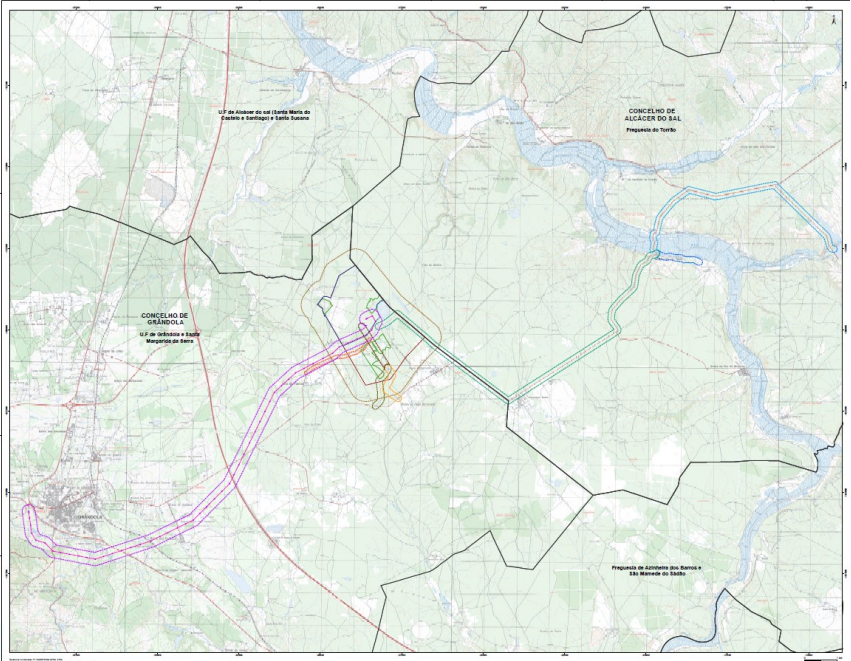
The Portugal Mineral Resources Cluster endorses the information note published on 17 June by the Portuguese Association of Geologists regarding the Lagoa Salgada mining project in Grândola. This project, developed by the Canada-based company Redcorp/Ascendant, is a large-scale mining venture and represents a strategic opportunity to strengthen Portugal’s role as a supplier of critical and strategic raw materials for the European Union, in line with the EU Critical Raw Materials Act. Located near Grândola, in the Iberian Pyrite Belt, the massive sulphide deposit was discovered in 1992 and lies beneath more than 125 metres of sediment. It will be mined via underground operations, with ramp access and a mineral processing method similar to those used at the Neves-Corvo and Aljustrel mines, though adapted to the specific characteristics of this deposit. To ensure the economic viability of the project, it is essential to add value to the metals found in the upper zones of the deposit, namely gold and silver, which have significant grades and commercial relevance. Gold recovery will use the cyanide leaching technique — widely recognised as the most effective method globally for this type of ore. While legitimate concerns are often raised about cyanide’s toxicity — and amplified in public and media debates — it is important to note that this technique is widely used in technologically advanced countries such as Australia, where it is applied effectively and with proven environmental safety. Historical evidence shows that, when used in a closed circuit, accidents with significant environmental impact are extremely rare, with fewer than twenty recorded cases since the 19th century. Moreover, cyanide is extensively used across several industrial value chains, including agriculture (pest control, grain preservation), plastics, photography, adhesives, jewellery and fashion accessories — areas where it does not typically raise substantial public opposition. Despite the complexity of the project and the challenges associated with ensuring its economic feasibility while fully complying with national and European environmental legislation, Redcorp/Ascendant has, since 2008, demonstrated a commitment to economic, environmental and social excellence. Over €32 million has been invested in this effort, supporting the creation of direct and indirect employment at both local and regional levels. The company has maintained close engagement with local stakeholders, encouraging informed participation and ensuring environmentally responsible operations aligned with international best practices. Given the State’s initial involvement in the discovery of this deposit, it would be desirable for current regulatory conditions to allow the continued evaluation and development of the project, based on technical dialogue and informed deliberation. The Portugal Mineral Resources Cluster reaffirms its confidence that its member Redcorp/Ascendant is fully prepared to engage in dialogue with the relevant authorities to reach a mutual understanding on the use of cyanide, while ensuring all technical and legal safeguards are in place. As always, the Cluster remains available to provide any additional technical clarifications that may be required. Technical Note – Update on Processing Following the release of the statement, the Portugal Mineral Resources Cluster was informed by its member Redcorp/Ascendant of an important technical update concerning the Lagoa Salgada project. Contrary to what was stated in the initial version of the Environmental Impact Study, the ore processing strategy no longer includes the use of sodium cyanide. After an optimisation phase of the project, based on recent metallurgical testing carried out with the support of Wardell Armstrong International, a new metallurgical approach has been adopted that completely eliminates the use of cyanide. The new processing circuit is based exclusively on conventional polymetallic flotation, enabling the recovery — in a single marketable concentrate — of lead, vanadium, gold and silver. This change brings significant environmental, technical and economic benefits, including: This technical development enhances the sustainability profile of the project, addressing concerns previously associated with cyanide leaching.
RISE PRESENTED AT GLOBAL STONE CONGRESS 2025 IN GREECE
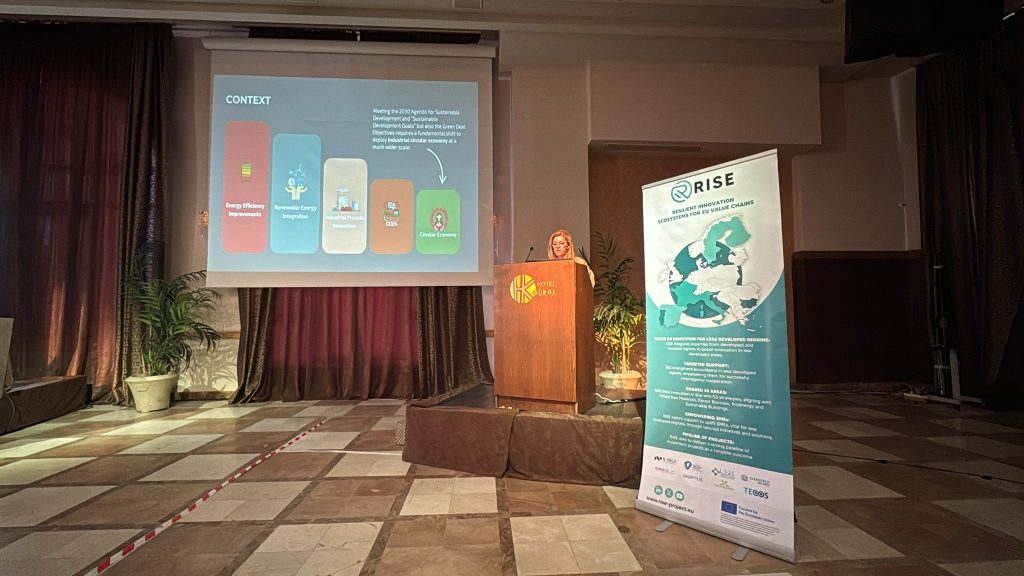
Today, June 19th, at the Global Stone Congress 2025, ACPMR presented the RISE I3 project, highlighting its role as a promoter of interregional circular solutions in the raw materials, construction and advanced manufacturing sectors. The seminar, part of the congress’s official program, gave an insight into how RISE – funded by the European Union through the I3 Instrument – is supporting less developed and transition regions in the valorization of sustainable innovation. The main topics covered included: 🔹 Strategies to overcome the “Valley of Death” of circular innovations 🔹 How to create effective interregional investment pipelines 🔹 The role of Smart Specialization Strategies (S3) 🔹 New opportunities for collaboration to accelerate the green and digital transition The session ended with a collaborative brainstorming, bringing together participants from various regions to co-create ideas aligned with the objectives of the European Green Deal. A moment of sharing, commitment and vision for the future of the circular economy in Europe!
SUSTAINABLE STONE BY PORTUGAL AGENDA HIGHLIGHTED DURING GLOBAL STONE CONGRESS 2025 IN GREECE
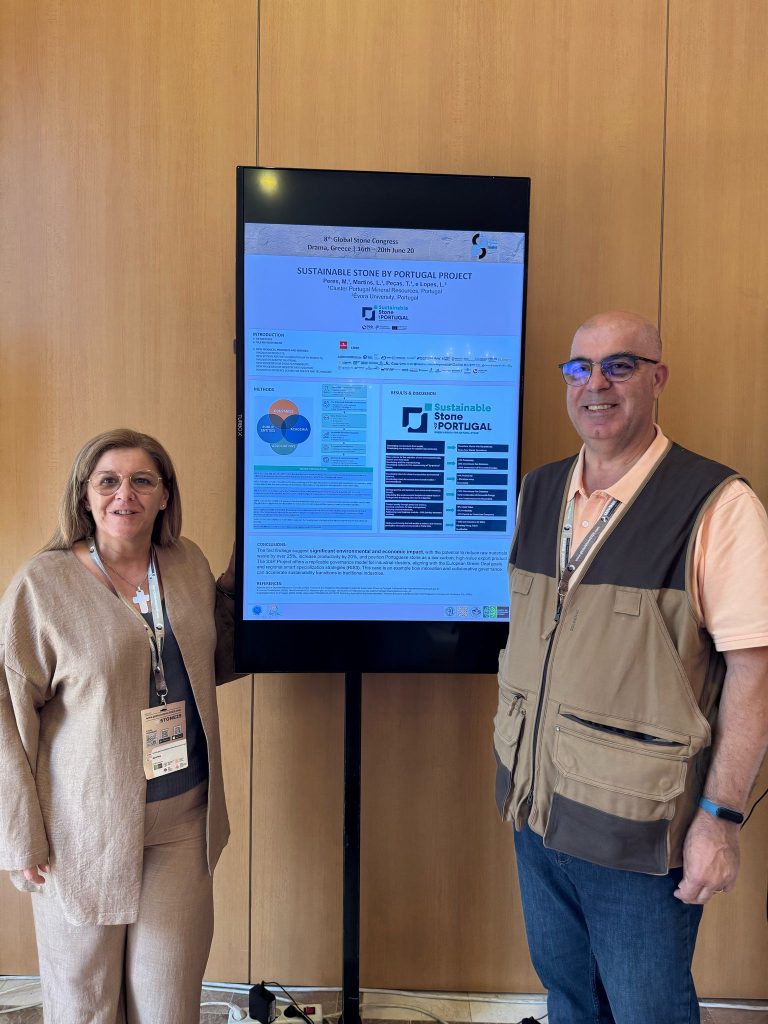
Today, June 19, the Sustainable Stone by Portugal Agenda was presented on the fourth day of the Global Stone Congress 2025, highlighting Portugal’s role as an international benchmark in the sustainable natural stone sector. 🌍♻️ The ACPMR, as the coordinating body of the Agenda, presented the work carried out, the status of its implementation, and reinforced the importance of collaboration between companies, universities and research centers in building a more innovative and competitive future for the sector. The presentation was also attended by the Universidade de Évora, as a partner university of the Agenda. This moment represented an appreciation of the collective effort that is driving the green and digital transition of the Portuguese natural stone industry.
3RD DAY AT THE GLOBAL STONE CONGRESS 2025
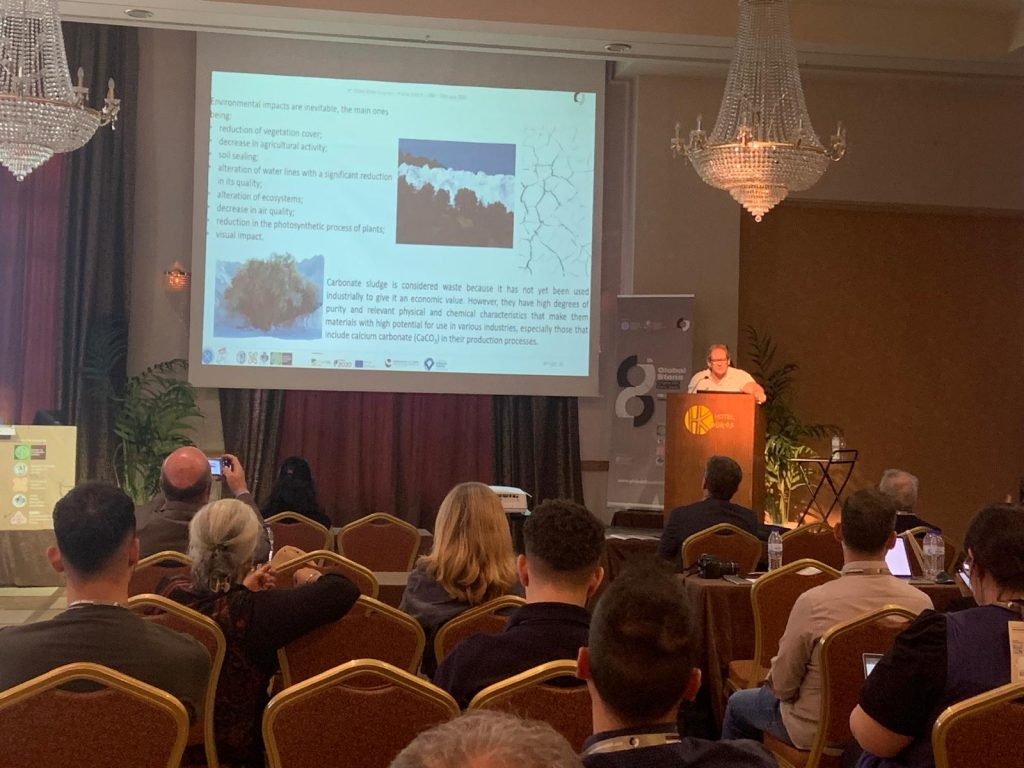
The third day of the congress, 18 june, was marked by sessions on automation, digitization, circular economy and sustainability in the natural stone sector. The Fravizel and University of Évora Associates were actively present in the technical sessions with relevant contributions to the innovation and sustainability of the sector. The day culminated with a gala dinner, promoting networking between participants from various parts of the world.
INVESTIGATION, INDUSTRY AND CULTURE HIGHLIGHT THE SECOND DAY OF THE CONGRESS
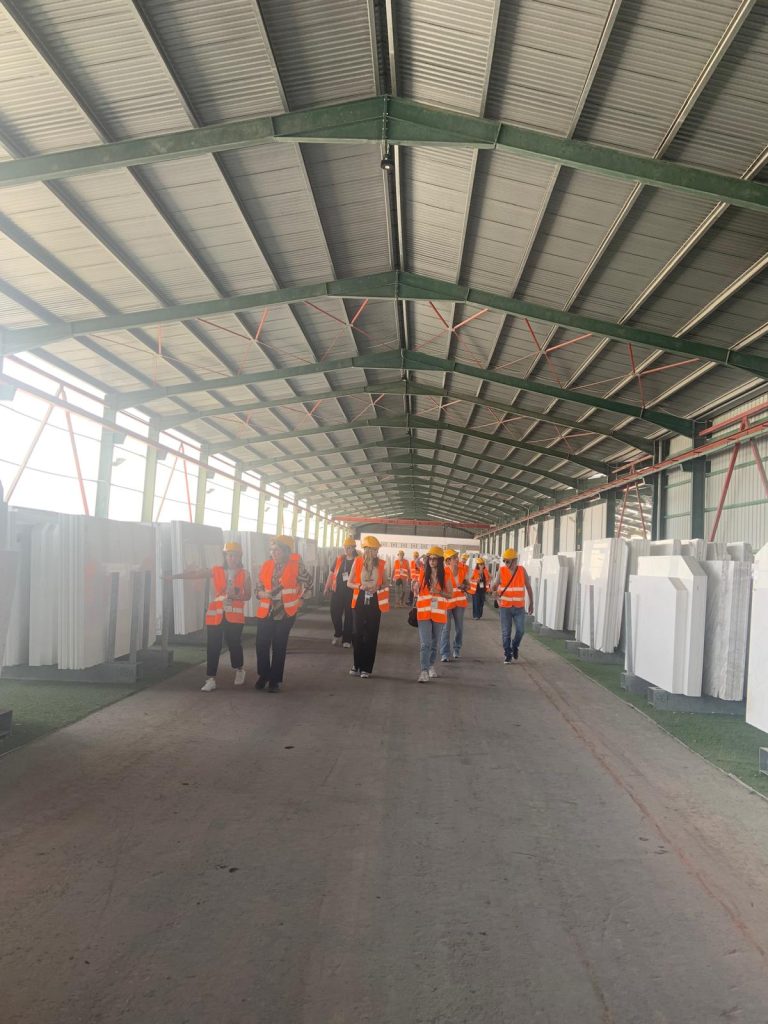
The second day of the Global Stone Congress 2025 was marked by highly relevant technical sessions, specialized visits and a strong Portuguese representation. ACPMR, together with its members ASSIMAGRA, Fravizel SA and the University of Évora, are actively participating in the discussions that are shaping the future of natural stone. The day’s agenda included: Technical sessions by various organizations and professionals on the subject of “NATURAL STONE EXPLORATION AND CHARACTERISATION”.Technical visit to the F.H.L. KIRIAKIDIS MARBLES & GRANITES S.A. factory, an industrial benchmark in Greece. Cultural closing of the day at the Archaeological Museum of Drama, celebrating the symbolic and historical importance of marble.